The Complete Guide to Paper Machines and Their Installation
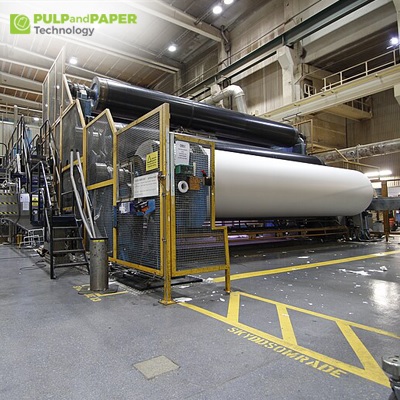
Paper machines are the backbone of the paper production industry, converting raw materials into a wide range of paper products. Understanding the intricacies of automatic paper machines, the various types like the Fourdrinier machine, cylinder machine, and tissue machine, and their installation processes is crucial for ensuring efficient and sustainable operations. This comprehensive guide delves into each aspect, including machine foundation design, environmental regulations, maintenance plans, predictive maintenance, safety protocols, automation and control systems, the role of optical brighteners, machine efficiency, and the steam system.
I. Types of Paper Machines
Automatic Paper Machines
Automatic paper machines are engineered to streamline the production process, minimizing human intervention and enhancing productivity. These automatic paper machines integrate advanced technologies like automation and control systems to ensure consistent quality and optimal performance.

The efficiency of automatic paper machines depends on several factors, including machine foundation design, machine efficiency, and the effective use of a steam system. To maintain high productivity, automatic paper machines require a comprehensive maintenance plan and adherence to safety protocols.
Fourdrinier Machine

The Fourdrinier machine is a staple in the paper manufacturing industry. It employs a moving belt of wire mesh to create a continuous paper web. The process begins with a slurry of pulp that is spread across the mesh, which then passes through various sections for draining, pressing, and drying. The Fourdrinier machine is renowned for its ability to produce high-quality writing paper. To ensure optimal performance, the Fourdrinier machine must be installed with a robust machine foundation design. Regular predictive maintenance is essential to keep the Fourdrinier machine operating efficiently, and compliance with environmental regulations is mandatory to minimize environmental impact. The incorporation of optical brighteners in the process enhances the brightness of the writing paper produced by the Fourdrinier machine.
Cylinder Machine

The cylinder machine uses rotating cylinders covered with a wire mesh to form the paper. This method is particularly suitable for producing thicker paper grades and board materials. The cylinder machine picks up pulp from vats, forming multiple layers that are then pressed and dried. The design and efficiency of the cylinder machine are heavily influenced by the machine foundation design and the steam system used. Regular adherence to a maintenance plan and predictive maintenance can significantly enhance the machine efficiency of the cylinder machine. Additionally, compliance with environmental regulations ensures that the operation of the cylinder machine is sustainable and environmentally friendly. Integrating advanced automation and control systems into the cylinder machine can further enhance its performance and productivity.
Tissue Machine

Tissue machines are specialized for producing tissue paper, characterized by its light weight and softness. These tissue machines often incorporate creping processes to enhance the paper's softness and flexibility. The installation of tissue machines requires meticulous attention to machine foundation design to ensure stability and efficiency. The performance of tissue machines can be optimized through the use of a well-maintained steam system and regular predictive maintenance. Implementing a thorough maintenance plan and adhering to safety protocols are crucial for the safe and efficient operation of tissue machines. Advanced automation and control systems play a vital role in enhancing the performance and consistency of tissue machines. Ensuring compliance with environmental regulations is essential to minimize the environmental impact of the production process. Incorporating optical brighteners can improve the visual quality of the tissue paper produced by tissue machines.
In summary, the effective operation of various paper machines, including automatic paper machines, Fourdrinier machines, cylinder machines, and tissue machines, relies on several key factors. These include advanced automation and control systems, robust machine foundation design, adherence to environmental regulations, and regular predictive maintenance. A well-implemented maintenance plan, use of optical brighteners, and an efficient steam system further enhance machine efficiency and the overall quality of the paper products, such as writing paper. Following strict safety protocols ensures the safety of personnel and the longevity of the machines.
II. Machine Foundation Design
Proper machine foundation design is critical for the stability and longevity of automatic paper machines, Fourdrinier machines, cylinder machines, and tissue machines. A well-designed foundation minimizes vibrations and ensures alignment, which is essential for maintaining machine efficiency. For automatic paper machines, the foundation must be robust enough to support the advanced automation and control systems that ensure consistent operation and quality. Similarly, a stable foundation for a Fourdrinier machine is vital as it supports the continuous paper web process, influencing the quality of writing paper produced. For cylinder machines, which are used to produce thicker paper grades and board materials, the foundation must accommodate the dynamics of the rotating cylinders to maintain machine efficiency. In the case of tissue machines, a precise machine foundation design ensures the stability needed for the delicate creping process, enhancing the paper's softness and flexibility.
Several factors must be considered for effective machine foundation design. The type of soil, load-bearing capacity, and the dynamics of the specific paper machine are all crucial. Compliance with environmental regulations is also important to ensure that the installation process does not negatively impact the surrounding environment. Additionally, a solid foundation is integral to implementing a successful maintenance plan and predictive maintenance strategies, which help in preventing unexpected downtimes and prolonging the lifespan of the machines. By maintaining proper machine efficiency, the production process for writing paper and other paper products is optimized. Adhering to safety protocols during the foundation construction and subsequent machine operations ensures the safety of the personnel. The integration of optical brighteners in the production process, supported by a stable foundation, enhances the quality of the paper products. Furthermore, an efficient steam system built on a well-designed foundation ensures optimal drying processes, contributing to the overall performance of automatic paper machines, Fourdrinier machines, cylinder machines, and tissue machines.
III. Environmental Regulations
Compliance with environmental regulations is a fundamental aspect of operating automatic paper machines, Fourdrinier machines, cylinder machines, and tissue machines. These regulations may dictate the treatment of effluents, emissions control, and the sustainable sourcing of raw materials. For instance, the discharge from the steam system and the use of optical brighteners in writing paper production must adhere to specific environmental regulations to minimize pollution. Additionally, machine foundation design must consider the impact on the surrounding environment, ensuring that construction and operation do not negatively affect the ecosystem. By complying with environmental regulations, companies can avoid legal penalties and contribute to environmental sustainability. The use of automation and control systems in automatic paper machines helps in monitoring and controlling emissions, ensuring adherence to regulatory standards.
Adhering to environmental regulations not only ensures legal compliance but also promotes environmental stewardship. Implementing a comprehensive maintenance plan and predictive maintenance helps in identifying and mitigating potential environmental hazards associated with Fourdrinier machines, cylinder machines, and tissue machines. Regular maintenance ensures that emissions control systems are functioning correctly and that any leaks or inefficiencies in the steam system are promptly addressed. Furthermore, incorporating safety protocols during the operation of these machines ensures that workers are aware of and follow best practices for environmental safety. The optimization of machine efficiency through proper machine foundation design and regular maintenance also contributes to reduced energy consumption and lower emissions. In essence, the commitment to environmental regulations in the paper manufacturing process underscores the industry's dedication to sustainable practices and the well-being of the planet.
IV. Maintenance Plan
A robust maintenance plan is essential for the smooth operation of automatic paper machines, including the fourdrinier machine, cylinder machine, and tissue machine. Regular inspections are crucial for ensuring machine efficiency and preventing unexpected downtimes. This involves checking the machine foundation design to ensure it can support the operational loads and vibrations typical of high-speed automatic paper machines. The lubrication schedules must be meticulously followed to reduce friction and wear, thereby prolonging the life of critical components. Moreover, the replacement of worn parts should be timely and in accordance with the maintenance plan, ensuring that the fourdrinier machine, cylinder machine, and tissue machine continue to produce high-quality writing paper without interruption. Compliance with environmental regulations during maintenance operations is vital to minimize environmental impact and adhere to legal requirements.
Implementing predictive maintenance techniques can significantly enhance machine efficiency by anticipating failures before they occur, thus preventing costly downtimes and extending the lifespan of automatic paper machines. These techniques utilize advanced automation and control systems to monitor the condition of the machines, including the steam system and components involved in applying optical brighteners to the writing paper. By continuously analyzing data, predictive maintenance can identify potential issues early, allowing for proactive interventions. Adhering to strict safety protocols is also a fundamental aspect of the maintenance plan, ensuring that all maintenance activities are conducted safely and efficiently. This comprehensive approach not only maintains the operational integrity of the fourdrinier machine, cylinder machine, and tissue machine but also optimizes their performance, aligning with both productivity goals and environmental regulations.
V. Predictive Maintenance
Predictive maintenance is a cutting-edge approach that revolutionizes the upkeep of automatic paper machines such as the fourdrinier machine, cylinder machine, and tissue machine. It harnesses the power of data analytics and sensors to continuously monitor the condition of critical components. By analyzing this data, predictive maintenance can accurately forecast when a component is likely to fail, allowing for proactive maintenance scheduling. This proactive approach minimizes downtime and significantly extends the life of the equipment, ensuring continuous and efficient production of high-quality writing paper.
The integration of automation and control systems plays a pivotal role in predictive maintenance strategies for automatic paper machines. These systems not only monitor the machine efficiency but also keep a close eye on essential components like the steam system and those involved in applying optical brighteners. Adhering to stringent safety protocols is paramount in implementing predictive maintenance, ensuring that maintenance activities are conducted safely and in compliance with environmental regulations. By adopting predictive maintenance practices, paper mills can optimize their maintenance plan to achieve maximum machine efficiency while meeting environmental regulations and maintaining a safe working environment.
VI. Safety Protocols
Ensuring the safety protocols are in place is crucial when operating Automatic Paper Machines such as the fourdrinier machine, cylinder machine, and tissue machine. These machines, integral to paper production, require meticulous attention to safety protocols to safeguard personnel and maintain smooth operations. Implementing machine guards and emergency stop mechanisms is essential, complemented by comprehensive safety training for operators. This training should cover aspects like machine foundation design to ensure stability, adherence to environmental regulations regarding emissions and waste management, and a robust maintenance plan integrating predictive maintenance strategies to preemptively address issues.
In addition to safety protocols, automation and control systems play a pivotal role in enhancing machine efficiency while maintaining safety standards. Incorporating advanced technologies like optical brighteners for improved paper quality and optimizing the steam system for energy efficiency are integral aspects of modern automatic paper machines. By prioritizing safety protocols alongside these technological advancements, paper manufacturing can achieve a balance between operational excellence and worker safety, fostering a sustainable and productive environment in the industry.
VII. Automation and Control Systems
In the domain of Automatic Paper Machines, the integration of advanced automation and control systems marks a significant leap in operational efficiency and consistency. Whether it's the fourdrinier machine, cylinder machine, or tissue machine, these systems offer precise control over critical parameters, leading to optimal performance and the production of high-quality output. By leveraging these automation and control systems, manufacturers can fine-tune processes related to machine foundation design, adherence to environmental regulations, and the execution of a proactive maintenance plan encompassing predictive maintenance strategies.
The synergy between automation and control systems and safety measures like safety protocols is pivotal in the operation of automatic paper machines. These systems not only enhance machine efficiency but also facilitate the integration of technologies like optical brighteners for improved paper quality. Moreover, they optimize the steam system for energy efficiency, aligning with sustainability goals while ensuring consistent and reliable production of writing paper. This harmonious blend of technological advancements and safety protocols underscores the evolution of modern paper manufacturing towards a more streamlined, environmentally conscious, and efficient industry.
VIII. Optical Brighteners
In the realm of Automatic Paper Machines, the utilization of optical brighteners stands out as a crucial element in enhancing the visual appeal of paper products, especially writing paper and other high-quality paper variants. These chemicals play a vital role in augmenting the brightness and whiteness of the paper, contributing significantly to its overall aesthetic quality. However, their application requires meticulous control and adherence to environmental regulations and safety protocols to ensure sustainable production practices and minimize environmental impact.
Integrating optical brighteners into the production process necessitates a comprehensive approach that includes considerations for machine efficiency, maintenance plans incorporating predictive maintenance strategies, and the seamless operation of automation and control systems within automatic paper machines such as the fourdrinier machine, cylinder machine, and tissue machine. This holistic approach not only optimizes the use of optical brighteners but also aligns with industry standards regarding machine foundation design, steam system optimization, and the overarching goal of maintaining a balance between production efficiency and environmental sustainability.
IX. Machine Efficiency
In the domain of Automatic Paper Machines, machine efficiency stands as a pivotal factor influencing the profitability and sustainability of paper production endeavors. The design and operation of these machines, whether it's the fourdrinier machine, cylinder machine, or tissue machine, play a crucial role in determining overall efficiency. Additionally, the quality of raw materials used in conjunction with an effective steam system further contributes to optimizing machine efficiency. This synergy between technological advancements like automation and control systems and adherence to safety protocols ensures a streamlined production process, enhancing overall machine efficiency.
To maximize machine efficiency, a comprehensive approach is essential, encompassing aspects such as machine foundation design for stability, a proactive maintenance plan integrating predictive maintenance strategies, and strict adherence to environmental regulations governing paper production. Furthermore, the strategic use of optical brighteners in conjunction with advanced automation and control systems contributes to enhancing writing paper quality while maintaining high machine efficiency levels. By focusing on these interconnected factors, paper manufacturers can achieve a balance between operational excellence, environmental sustainability, and profitability in the competitive paper industry landscape.
X. Steam System
The steam system is a critical component in Automatic Paper Machines, especially in the context of the fourdrinier machine, cylinder machine, and tissue machine. It plays a vital role in the drying process, facilitating uniform and rapid drying of the paper. Efficient steam generation and distribution are paramount for maintaining high production speeds and ensuring the quality of the final product, particularly in the production of writing paper and other paper variants. A well-designed and optimized steam system not only enhances machine efficiency but also contributes significantly to meeting production targets and quality standards.
The integration of advanced automation and control systems further enhances the functionality and efficiency of the steam system within automatic paper machines. This integration allows for precise control over steam generation and distribution processes, aligning with maintenance plans that incorporate predictive maintenance strategies. Moreover, adherence to safety protocols and environmental regulations ensures that the steam system operates sustainably, minimizing energy wastage and environmental impact while maintaining the necessary conditions for optimal paper drying. This comprehensive approach underscores the importance of the steam system in modern paper manufacturing, highlighting its role in achieving both operational excellence and environmental sustainability.
XI. Installation Process
The installation of paper machines involves several key steps:
The installation process of Automatic Paper Machines involves several critical steps to ensure smooth and efficient operation. It begins with thorough site preparation to ensure that the site is ready for installation, including meticulous attention to machine foundation design for stability. The next step is machine assembly, where various components such as the fourdrinier machine, cylinder machine, or tissue machine are assembled. This is followed by system integration, where advanced automation and control systems are integrated to ensure seamless operation and maximize machine efficiency. Thorough testing and calibration are then conducted to verify that the machine operates at peak efficiency, in line with established maintenance plans that incorporate predictive maintenance strategies. Finally, personnel are trained on safety protocols, operation, and maintenance of the paper machine, ensuring compliance with environmental regulations and optimal production of high-quality writing paper.
Conclusion
Understanding the nuances of Automatic Paper Machines, including the fourdrinier machine, cylinder machine, and tissue machine, alongside considerations such as machine foundation design and environmental regulations, is crucial for success in the paper production industry. Emphasizing predictive maintenance and adherence to safety protocols ensures smooth operations while leveraging automation and control systems optimizes machine efficiency and quality output, particularly in the production of writing paper. Integrating technologies like optical brighteners and maintaining an effective steam system further enhances production capabilities, all within the framework of a comprehensive maintenance plan that prioritizes sustainability and compliance with environmental standards.
 Our Services
  Media Pack Download
  Newsletters
  Industrial Events